
Packing Cubes: A Week in a Cabin Bag

I resisted packing cubes for years because they looked like a solution in search of a problem. Zip-up bags, inside a bag? My suitcase already had a lid. Then I borrowed a set for a two-week trip with three different climates in it, and I have not packed loose since. This is my attempt to explain why, without the evangelism that usually comes with the subject.
The short version: a suitcase is one big container, and one big container has the same problem as the cupboard of doom in a small flat. Everything is technically in there, and nothing is findable. Cubes turn one container into six small ones, each answering a single question. Tops? That cube. Underwear? That one. You stop unpacking your entire life onto a hotel bed to find one sock.
What cubes actually do
- Compression, honestly stated. Cubes will not defy physics, but a zipped cube holds folded or rolled clothes at a consistent density, so the case packs to a predictable shape every time.
- Findability. Mesh tops mean you can see what is in each cube without opening it — the difference between checking and rummaging.
- Modularity. Staying somewhere two nights? Take two cubes out of the case and the case stays packed. The cubes become drawers.
- The dirty-clothes problem, solved. A dedicated laundry bag keeps worn clothes away from clean ones on the way home, which is worth the price of admission alone.
- Repacking speed. Leaving a hotel becomes zipping six things instead of renegotiating the entire case on the floor.
The set I pack from is the Packing Cube Set of 6 — two large, two medium, one small, one laundry bag — and the whole empty set weighs under 400g, which matters when cabin allowances are measured in grams and airline patience.
The week-in-a-cabin-bag method
Here is the system for a typical week away, assuming you have access to nothing but your own case and a hotel radiator.
- Large cube one: bottoms and the bulky layer. Two pairs of trousers, one jumper. Roll the trousers, fold the jumper flat on top.
- Large cube two: shoes in a bag on one side if you carry a second pair, or use it for a jacket. Bulk lives in large cubes so it cannot migrate.
- Medium cube one: tops for the week. Roll them — rolling is not magic, but rolled tops crease less along a fold line and pack tighter.
- Medium cube two: the miscellaneous layer — sleepwear, swimwear, a spare layer for the weather you did not book.
- Small cube: underwear and socks for seven days. This cube goes straight into a hotel drawer on arrival and comes home last.
- Laundry bag: empty on the way out, doing quiet heroic work on the way back.
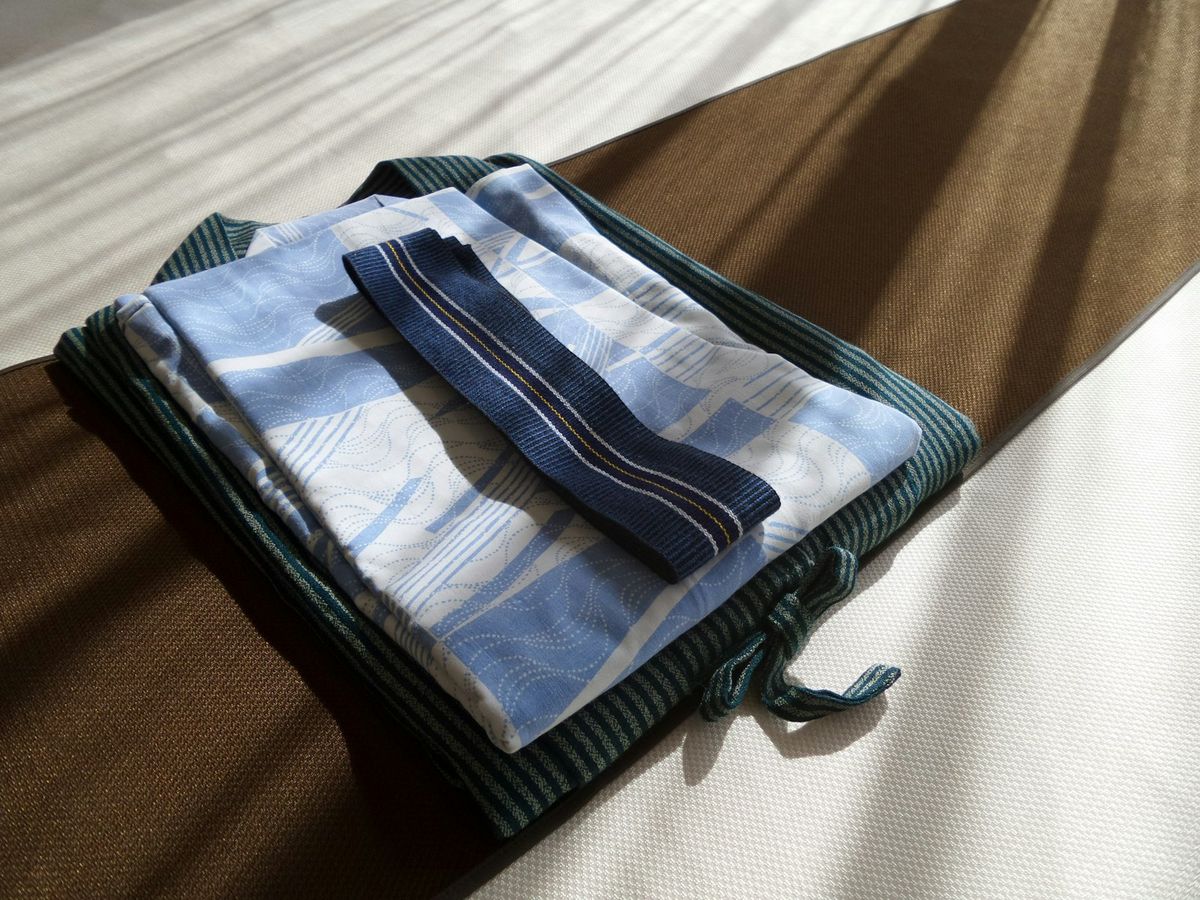
Two refinements once the basic system is running. First, if you travel as a household, give each person their own cubes rather than sorting by clothing type across the family — one case can hold three people's kit without a single negotiation at the other end. Second, pack the first-night cube: everything you need before bed on arrival — sleepwear, toothbrush, tomorrow's underwear — in one medium cube that sits on top. After a delayed flight and a midnight check-in, opening one cube instead of excavating four is the closest thing travel offers to a hug.
What to leave at home
The real weight in most cases is not clothes; it is contingency. The third pair of shoes for an evening that does not happen. The just-in-case jumper in July. A useful discipline: for every item, ask what actually goes wrong if you need it and do not have it. If the answer is a ten-minute walk to a shop, leave it at home. Pack for the trip you booked, not the trip your anxiety booked.
The one exception I make is water. Airport water is a small robbery, and a decent bottle solves it: empty through security, filled at a fountain on the other side. Mine is the Insulated Steel Water Bottle, which clips to the outside of my bag and keeps water cold through a full travel day — including the hot-car leg at the far end. It earns its space in a way the third pair of shoes never has.
Cubes between trips, and cubes at home
Between trips, the set folds flat into a drawer, but there is a case for keeping one or two in service. A cube makes a good gym-kit module in a work bag, and the laundry bag is a perfectly good home for the swimming things that otherwise haunt a radiator. If you have read my piece on small-space storage, you will recognise the principle: containers that answer one question, wherever they live.
Pack for the trip you booked, not the trip your anxiety booked.
One last honest note: packing cubes will not make you a different person. You will still forget your phone charger once a year, because that is the human condition. But you will know within four seconds that it is missing, because you will know exactly which cube it is not in. That, in the end, is what organisation buys you — not perfection, just faster answers. And if you are still deciding what to drink out of on the way, we have compared bottle and mug materials honestly so you only have to buy once.
Found this useful? Pass it on.