
Buy It Once: The Case for Fewer, Better Things

There is a particular kind of tiredness that comes from replacing the same thing twice in a year. The umbrella that flipped inside out on its third outing. The tote bag whose strap gave way somewhere between the till and the car. The plastic food tub that came out of the dishwasher warped into modern art. None of these cost much individually, which is exactly how they get away with it.
Buy-it-once thinking is the opposite habit. It means paying a fair price for a thing made properly, using it for years, and never thinking about it again. It is not about luxury, and it is definitely not about spending more for the sake of it. Some cheap things are genuinely fine — more on that later. It is about noticing where repeated small purchases quietly add up to more money, more waste and more low-level irritation than one decent purchase ever would.
The maths is boring, which is the point
Take a canvas bag. A flimsy giveaway tote might survive a few months of shopping runs before the seams go. A properly made one — heavyweight canvas, reinforced stitching, a base that holds its shape — costs more upfront and then simply refuses to die. Ours is the Heavyweight Canvas Tote, and the honest pitch for it is not that it is exciting. It is that you will stop buying bags.
That is the pattern everywhere once you look for it. The cost of a thing is not its price tag; it is the price tag divided by the years of service. A well-made item at twice the price that lasts five times as long is not an indulgence. It is the cheaper option wearing a better coat.
What quality actually looks like
Quality is mostly not visible in product photos, which is inconvenient. But there are signals you can learn to read from a description, and they are the same signals we look for when deciding what to stock.
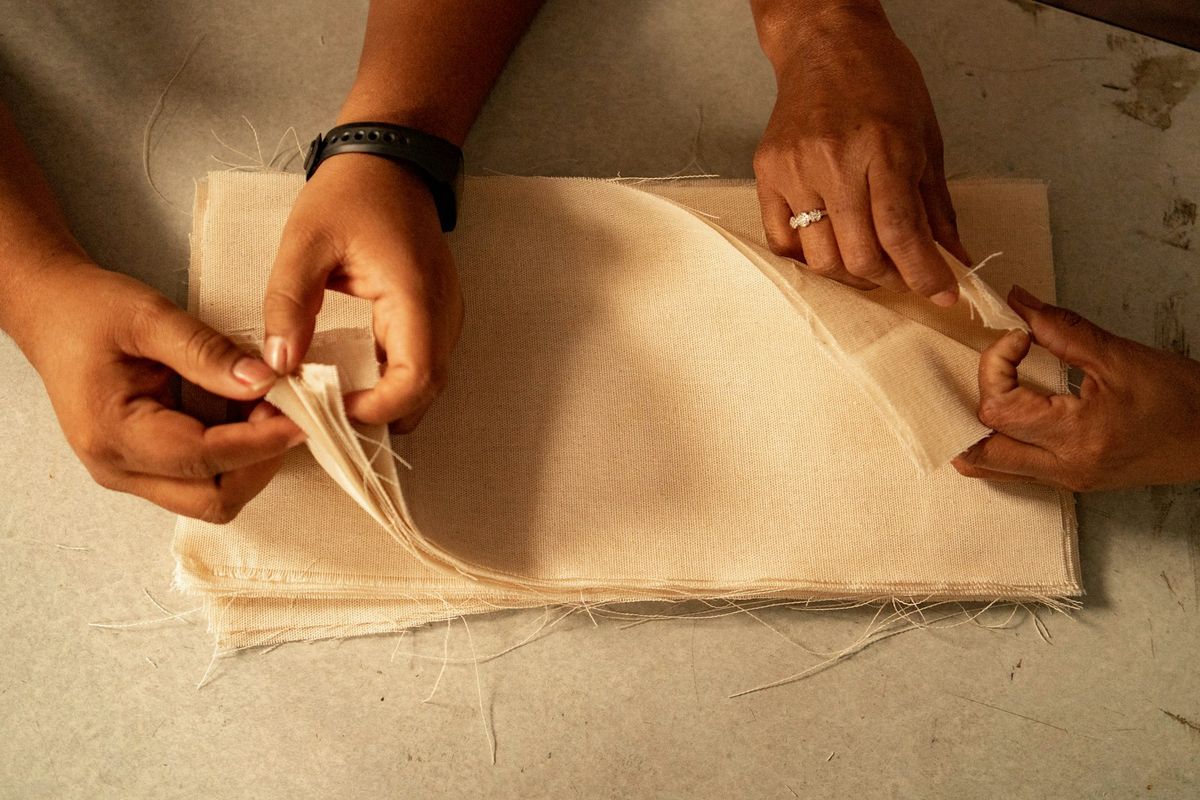
- Named materials, with numbers. A tote described as 340gsm cotton canvas tells you something. A tote described as premium fabric tells you nothing except that someone in marketing was on a deadline.
- Repairable or replaceable parts. A travel mug whose lid comes apart for cleaning will outlive one whose lid is a sealed mystery.
- Honest care instructions. If a product page admits an item needs hand washing or occasional oiling, that is a maker who expects it to be around long enough to need care.
- A sensible weight. Not heavy for the sake of it, but substance where substance matters — the base of a bag, the wall of a bottle, the frame of a basket.
- The absence of superlatives. The best products rarely claim to be the best. They list what they are made of and let you do the maths.
Where cheap is completely fine
Buy-it-once is not a religion, and applied everywhere it becomes its own kind of waste. Things you are still figuring out, things children will outgrow, things that live outdoors and will be lost or lent — buy those cheaply and without guilt. The philosophy applies to the items you touch every day and expect to keep touching: the board you chop on, the bag you carry, the bottle you fill each morning.
A useful test: have you bought this item more than once in the last three years? If yes, the replacement cycle is the real cost, and it is worth one upgrade to break it. If no, the cheap version is doing its job. Leave it alone.
Start in the kitchen
If you want one place to begin, begin where the wear is heaviest. A kitchen worktop is a small factory floor, and the tools on it take more abuse than anything else you own. A proper chopping board is the classic example: thin plastic boards scar, harbour smells and end up in the bin, while a dense hardwood board like the Acacia Chopping Board Set of 3 takes daily knife work for years and asks only for a hand wash and an occasional wipe of oil in return.
The oiling matters, and it points at the last piece of the philosophy: buying well is only half the job. Things last because they are looked after, not just because they were made properly. We have written a whole piece on that — how to care for throws, candles and the rest so they actually last — because a good product neglected is just an expensive product on a slower route to the bin.
The quiet payoff
Nobody will compliment you on owning the same umbrella for six years. There is no moment of glory in a tote bag that simply keeps working. The payoff is quieter than that: fewer purchases to research, fewer deliveries to wait in for, fewer broken things to feel vaguely guilty about binning. Your kit fades into the background of your life, which is exactly where kit belongs.
That is the whole editorial position of this shop, and of this blog. We will not tell you something is life-changing when it is a nice bag. We will tell you what it is made of, how long we honestly think it will last, and how to keep it going. If you are choosing between materials for something you will use every single day, our honest comparison of bottle and mug materials is a good example of the approach in practice.
The cost of a thing is not its price tag. It is the price tag divided by the years of service.
One last practical note for the sceptical: you do not have to take any of this on faith, and you should not take it on ours either. Read the materials line on any product page — including this shop's — and if it does not tell you what a thing is made of and how to keep it alive, treat that silence as information. The good stuff has nothing to hide and usually says so in millimetres and grams.
Buy it once. Look after it. Move on with your day.
Found this useful? Pass it on.